Your driveway is one of the most heavily used surfaces on your property. It supports the weight of vehicles daily, endures changing weather conditions, and faces constant exposure to moisture, debris, and chemicals. Yet despite its importance, driveway maintenance is often overlooked until cracks, potholes, or stains become impossible to ignore. The truth is that consistent preventative maintenance can significantly extend the life of your driveway, protect your investment, and preserve your home’s curb appeal.
Whether your driveway is concrete, asphalt, paver, or gravel, adopting a proactive maintenance routine helps prevent small issues from escalating into costly repairs. By understanding the factors that cause deterioration and applying proper care techniques, homeowners can maximize durability and long-term performance. Make sure to consult with a professional from Driveway Repair Nashville to assess the status of your driveway.
Why Preventive Driveway Maintenance Matters
A driveway is not just a functional surface—it plays a major role in the overall appearance and value of your property. When properly maintained, it enhances curb appeal and provides a smooth, safe area for vehicles and foot traffic. When neglected, it can quickly develop cracks, sinking areas, and structural weaknesses that compromise both aesthetics and safety.
Driveway damage typically begins at a small scale. Hairline cracks may seem harmless at first, but water infiltration can expand them over time. Seasonal temperature fluctuations, heavy vehicle loads, and improper drainage further accelerate deterioration. Preventative maintenance addresses these risks early, reducing the likelihood of major structural failure.
Investing time and effort into routine upkeep is far more cost-effective than replacing an entire driveway. With the right preventative approach, many driveways can last significantly longer than their expected lifespan.
Regular Cleaning to Prevent Surface Damage
One of the simplest yet most effective maintenance strategies is regular cleaning. Dirt, leaves, oil spills, and chemical residues accumulate on driveway surfaces and gradually weaken the material. When left untreated, these contaminants can cause staining and surface breakdown.
Routine cleaning involves sweeping away debris and rinsing the surface periodically. For tougher stains such as oil or grease, using appropriate cleaning solutions prevents permanent discoloration. Pressure washing can be beneficial when done correctly, as it removes built-up grime without damaging the surface.
Consistent cleaning helps:
- Prevent staining and surface erosion
- Reduce the risk of mold, algae, or weed growth in cracks
By maintaining a clean surface, you protect both the structural integrity and visual appeal of your driveway.
Sealcoating and Protective Treatments
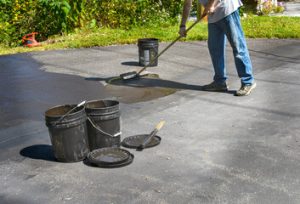
Sealcoating is one of the most important preventative maintenance practices for asphalt driveways, while concrete driveways benefit from protective sealers. These coatings act as a barrier against moisture, ultraviolet rays, and chemical exposure.
Over time, sunlight and oxidation can cause asphalt to fade and become brittle. Sealcoating replenishes protective oils and creates a smooth, dark finish that improves appearance. For concrete surfaces, sealers reduce water penetration and minimize the risk of cracking during freeze-thaw cycles.
Applying protective treatments every few years helps:
- Extend surface lifespan by preventing moisture infiltration
- Maintain a uniform, polished look that enhances curb appeal
Professional application ensures even coverage and proper curing, maximizing the effectiveness of the treatment.
Prompt Crack Repair
Cracks are one of the earliest warning signs of driveway deterioration. Even small cracks allow water to seep beneath the surface, weakening the base layer and leading to expansion during temperature changes. Addressing cracks promptly prevents them from widening and forming potholes.
Crack repair typically involves cleaning out debris and filling the gap with a specialized filler or sealant. This process blocks moisture intrusion and restores structural continuity. Regular inspections allow homeowners to identify and repair cracks before they escalate.
Ignoring cracks may seem harmless in the short term, but over time they compromise the foundation of the driveway. Proactive repairs preserve structural strength and reduce long-term costs.
Ensuring Proper Drainage
Water is one of the primary causes of driveway damage. Poor drainage allows water to pool on the surface or collect beneath it, leading to erosion and weakening of the base. Proper grading ensures that water flows away from the driveway rather than accumulating in low spots.
Homeowners should periodically inspect their driveway after heavy rainfall to identify drainage issues. If water consistently pools in certain areas, corrective measures such as regrading or installing drainage channels may be necessary.
Effective drainage management provides several benefits:
- Prevents surface cracking and base erosion
- Reduces the likelihood of freeze-thaw damage in colder climates
Addressing drainage concerns early significantly extends the life of the driveway.
Avoiding Excessive Weight and Stress
Driveways are designed to support standard vehicle loads, but excessive weight can cause premature cracking and sinking. Parking heavy trucks, recreational vehicles, or construction equipment on the driveway for extended periods places undue stress on the surface.
If heavy loads are unavoidable, consider reinforcing the surface or distributing weight evenly to minimize pressure points. Additionally, avoid sharp turns with stationary wheels, as this can create scuff marks and surface wear, particularly on asphalt driveways.
Being mindful of how the driveway is used helps prevent structural strain and surface damage.
Seasonal Maintenance Considerations
Different seasons bring unique challenges that affect driveway longevity. In colder climates, freeze-thaw cycles can cause water trapped in small cracks to expand, leading to larger fractures. In warmer regions, prolonged sun exposure can dry out and weaken asphalt surfaces.
Seasonal maintenance includes clearing snow and ice promptly to prevent prolonged moisture exposure. When using de-icing products, select options that are safe for your driveway material to avoid chemical damage. During warmer months, monitor for softening or surface fatigue and address any issues immediately.
Adapting your maintenance routine to seasonal conditions ensures year-round protection and durability.
Weed and Vegetation Control
Weeds growing through cracks are not only unsightly but also damaging. Roots can widen small openings and further compromise structural integrity. Regularly removing weeds and applying appropriate treatments prevents vegetation from taking hold.
For paver driveways, maintaining joint sand and addressing gaps promptly prevents weed growth and shifting. Keeping the surface clear of organic debris also reduces the likelihood of plant development.
Controlling vegetation preserves the driveway’s structural stability and enhances its overall appearance.
Reapplying Joint Sand for Paver Driveways
Paver driveways require unique maintenance compared to asphalt or concrete surfaces. Over time, joint sand between pavers can erode due to rain and traffic. Without proper joint stabilization, pavers may shift or settle unevenly.
Reapplying joint sand and compacting it ensures that pavers remain securely in place. This simple preventative step maintains alignment and prevents water from seeping beneath the surface.
Periodic inspection of paver joints helps maintain a smooth, level driveway that remains visually appealing and structurally sound.
Addressing Minor Repairs Before They Escalate
Many driveway issues start small and gradually worsen. Minor surface chips, fading, or slight unevenness may not seem urgent, but addressing them promptly prevents larger problems from developing.
Preventative maintenance often includes:
- Patching small depressions before they become potholes
- Re-leveling sunken sections to prevent water pooling
Taking action at the first sign of trouble protects the base layer and extends overall lifespan.
Professional Inspections and Maintenance Services
While homeowners can handle basic maintenance tasks, periodic professional inspections provide added assurance. Experienced contractors can identify subtle warning signs that may not be immediately visible. They assess structural integrity, drainage performance, and surface wear to recommend targeted preventative measures.
Professional maintenance services may include resurfacing, sealcoating, and structural reinforcement when necessary. Partnering with experts ensures that your driveway receives comprehensive care tailored to its specific material and condition.
Proactive professional involvement often prevents costly full-scale replacements in the future.
The Financial Benefits of Preventive Care
Driveway replacement can be a significant expense. By contrast, preventative maintenance requires relatively modest investments spread over time. Regular upkeep not only extends the life of the driveway but also enhances property value and curb appeal.
From a financial perspective, preventative maintenance offers:
- Lower long-term repair and replacement costs
- Increased property attractiveness for potential buyers
A well-maintained driveway reflects responsible ownership and contributes positively to overall home valuation.
Building a Long-Term Maintenance Routine
Consistency is key when it comes to driveway care. Creating a maintenance schedule ensures that inspections, cleaning, sealing, and repairs are performed at appropriate intervals. Keeping records of maintenance activities also helps track the condition and plan future upkeep.
A simple annual checklist might include cleaning, crack inspection, drainage evaluation, and surface assessment. By dedicating time to routine care, homeowners can significantly extend driveway lifespan and maintain optimal performance.
Preventative maintenance is not about reacting to visible damage—it is about staying ahead of potential problems. This forward-thinking approach protects both your driveway and your overall property investment.
Protecting Your Driveway for Years to Come
Your driveway is more than just a path to your garage—it is a vital component of your home’s functionality and curb appeal. Through regular cleaning, prompt repairs, proper drainage management, and protective treatments, you can dramatically extend its lifespan.
Preventive maintenance may require effort and planning, but the rewards are substantial. A well-maintained driveway not only looks better but also performs reliably under daily use and varying weather conditions. By taking proactive steps today, you ensure that your driveway remains durable, safe, and visually appealing for many years to come.
With consistent attention and timely care, you transform your driveway from a vulnerable surface into a long-lasting asset that supports both your home’s beauty and value.